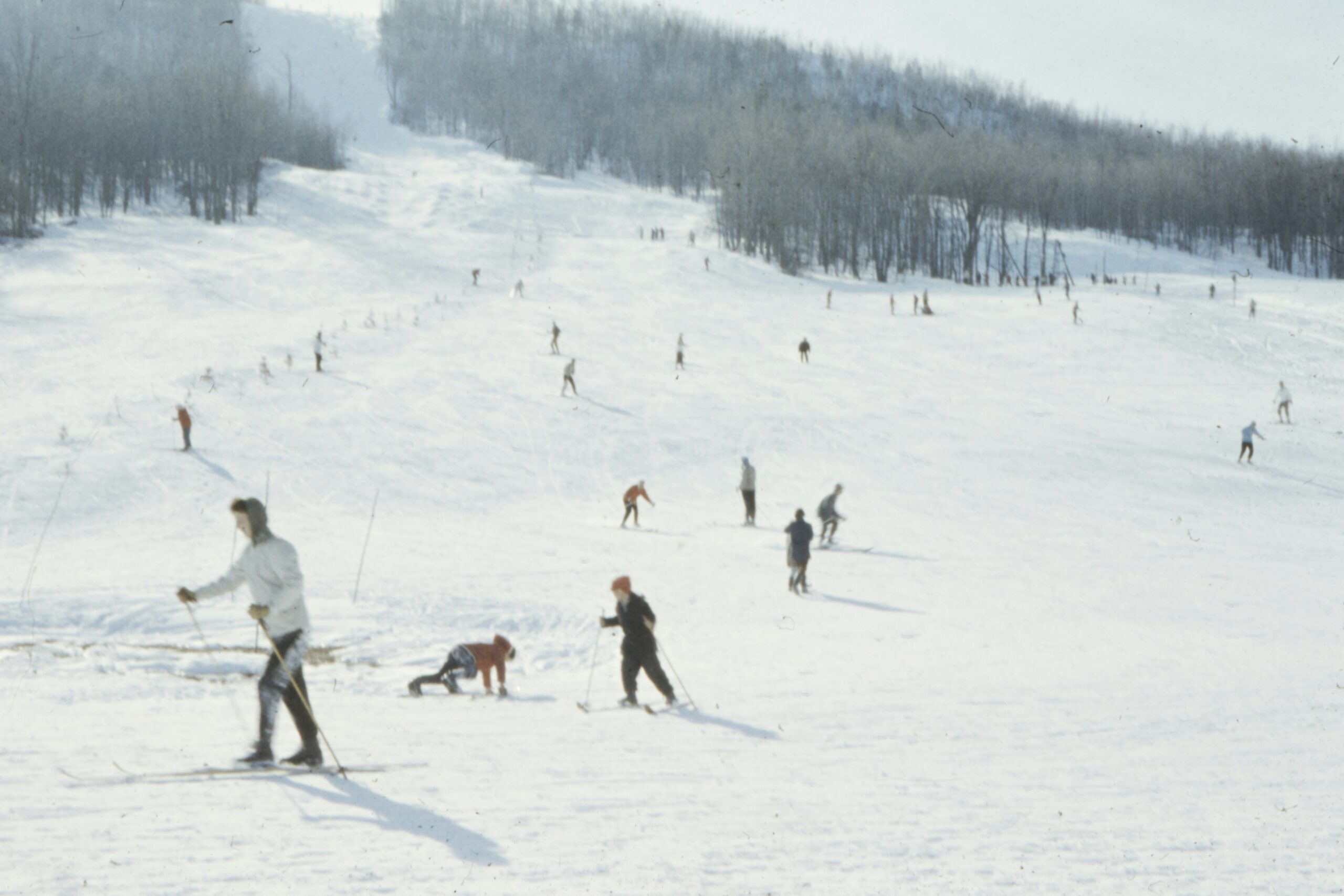
Toronto winters bring cold temperatures, shorter days, and plenty of reasons to stay indoors. However, the season also creates opportunities to stay active and improve your well-being. Skiing near Toronto offers an enjoyable way to embrace the outdoors while supporting your physical and mental health. Whether you are a beginner or an experienced skier, local ski hills provide opportunities to exercise, enjoy nature, and break away from everyday routines.
Winter wellness in Toronto doesn’t have to mean expensive vacations or long trips. Several ski destinations sit within driving distance of the city, making winter recreation more accessible. A few hours on the slopes can help you move your body, release stress, and reconnect with friends and family. By making skiing part of your seasonal routine, you can turn the colder months into a rewarding period of fitness, relaxation, and personal growth.
Improve Cardiovascular Health on the Slopes
Skiing offers a valuable cardiovascular workout. As you move downhill, your heart rate rises while your body works to maintain balance and control. Your legs, core, and upper body all contribute to each turn. These repeated movements challenge your cardiovascular system and build endurance. Regular skiing sessions can complement other exercise and help you stay active throughout winter.
Skiing intensity depends on your speed, technique, terrain, and fitness level. Beginners may spend more time practicing basic movements, while experienced skiers often tackle longer runs. Both groups can benefit from consistent activity. Start with manageable sessions and take breaks when necessary. If you have been inactive for several months, warm up with regular walking, cycling, or strength exercises before hitting the slopes. Gradual progress makes winter exercise more comfortable and sustainable.
Build Strength, Balance, and Coordination
Skiing requires more than simply sliding down a snowy hill. Your body constantly adjusts to changes in terrain, speed, and direction. Your quadriceps, hamstrings, glutes, and calf muscles help control movement, while your abdominal and back muscles support stability. These demands can improve muscular endurance and strengthen the lower body. Over time, regular practice may also help you feel more confident during other physical activities.
Balance and coordination play equally important roles. Skiers learn to distribute their weight, coordinate movements, and respond to changing conditions. These skills develop through practice and careful instruction. Beginners should start on gentle slopes and focus on proper technique instead of speed. A lesson can help you build a solid foundation and avoid avoidable mistakes. Better balance, coordination, and body awareness can make skiing safer and more enjoyable.
Support Mental Health During the Winter
Short winter days and limited daylight can affect mood, motivation, and energy levels. Skiing provides a practical reason to leave the house and spend time outside. Natural light exposure, physical movement, and a change of scenery may support emotional well-being. Although skiing cannot replace professional care for persistent mental health concerns, it can form part of a balanced routine that encourages healthier habits during the colder months.
The experience also encourages you to focus on the present moment. You must watch the slope, adjust your movements, and respond to your surroundings. This concentration can provide a welcome break from work pressures and daily worries. Reaching a new milestone, such as completing a run with better control, can also build confidence. You do not need to master difficult terrain to enjoy these benefits. Small achievements can make winter outings feel rewarding.
Enjoy Nature and Find a Change of Pace
Toronto offers access to winter recreation without requiring a long-distance journey. Nearby destinations, including Earl Bales Park within the city and larger ski areas in the surrounding region, give residents different ways to experience snow sports. Depending on your location and travel preferences, you can choose a convenient local hill or plan a day trip beyond the city. Check current snow conditions, operating schedules, and available facilities to choose the right destination.
Spending time in a winter landscape can also make an ordinary weekend feel special. Snow-covered trees, fresh air, and open views provide a refreshing contrast to busy streets and indoor routines. Pair a ski session with a relaxed lunch, a walk through a nearby park, or a warm drink afterward. These simple experiences encourage you to slow down and appreciate the season. Remember to dress in layers, protect exposed skin, and drink water even when the cold reduces your sense of thirst.
Make Skiing a Social Wellness Activity
Winter wellness becomes easier to maintain when you share activities with people you enjoy. Skiing gives friends, couples, and families a chance to spend meaningful time together. You can practice new skills, encourage one another, and celebrate small improvements throughout the season. These shared experiences can strengthen relationships while making physical activity feel less like a chore. Social support may also help you stay motivated when cold weather makes it tempting to remain indoors.
You do not need to organize a large group outing to enjoy the social benefits. A regular ski date with a friend or a family afternoon at a nearby hill can become a welcome winter tradition. Beginners may feel more comfortable learning alongside supportive companions, especially when everyone respects different ability levels. Avoid turning friendly competition into pressure to attempt difficult runs. Choose activities that suit the group, communicate clearly, and build in breaks so everyone can enjoy the experience.
Start Safely and Build a Sustainable Routine
A positive skiing experience begins with preparation. Wear a properly fitted helmet, use suitable equipment, and consider lessons if you are new to the sport. Warm up before skiing and choose terrain that matches your current ability. Check weather forecasts and slope conditions before leaving home. Cold temperatures, icy surfaces, and changing visibility can increase risks, so follow posted instructions and stay within marked areas. Stop when you feel tired because fatigue can affect your balance, judgment, and reaction time.
Consistency matters more than spending an entire day on the slopes. Start with occasional visits and increase your activity as your fitness and confidence improve. You can also support your skiing routine with stretching, strength training, walking, and adequate sleep. Eat balanced meals and drink enough fluids before and after exercise. If you have a health concern or aren’t sure skiing suits your fitness level, talk to a qualified health professional before you start. A thoughtful approach helps you enjoy the activity while respecting your body’s needs.
Make Toronto Winters Healthier and More Enjoyable
Skiing near Toronto offers a practical way to combine exercise, outdoor exploration, and social connection during the colder months. It challenges your heart and muscles, builds balance, and lets you step away from daily stress. Just as importantly, it gives you something enjoyable to look forward to on long winter days. You can experience these benefits without traveling far or pursuing advanced skiing skills.
Winter wellness in Toronto starts with choosing activities that fit your interests, schedule, and abilities. Find a suitable ski hill, prepare your body, and give yourself time to learn at a comfortable pace. Celebrate progress rather than perfection, and make safety a priority on every visit. With a realistic routine and a positive attitude, skiing can keep you active and refreshed while helping you build a healthier relationship with winter.