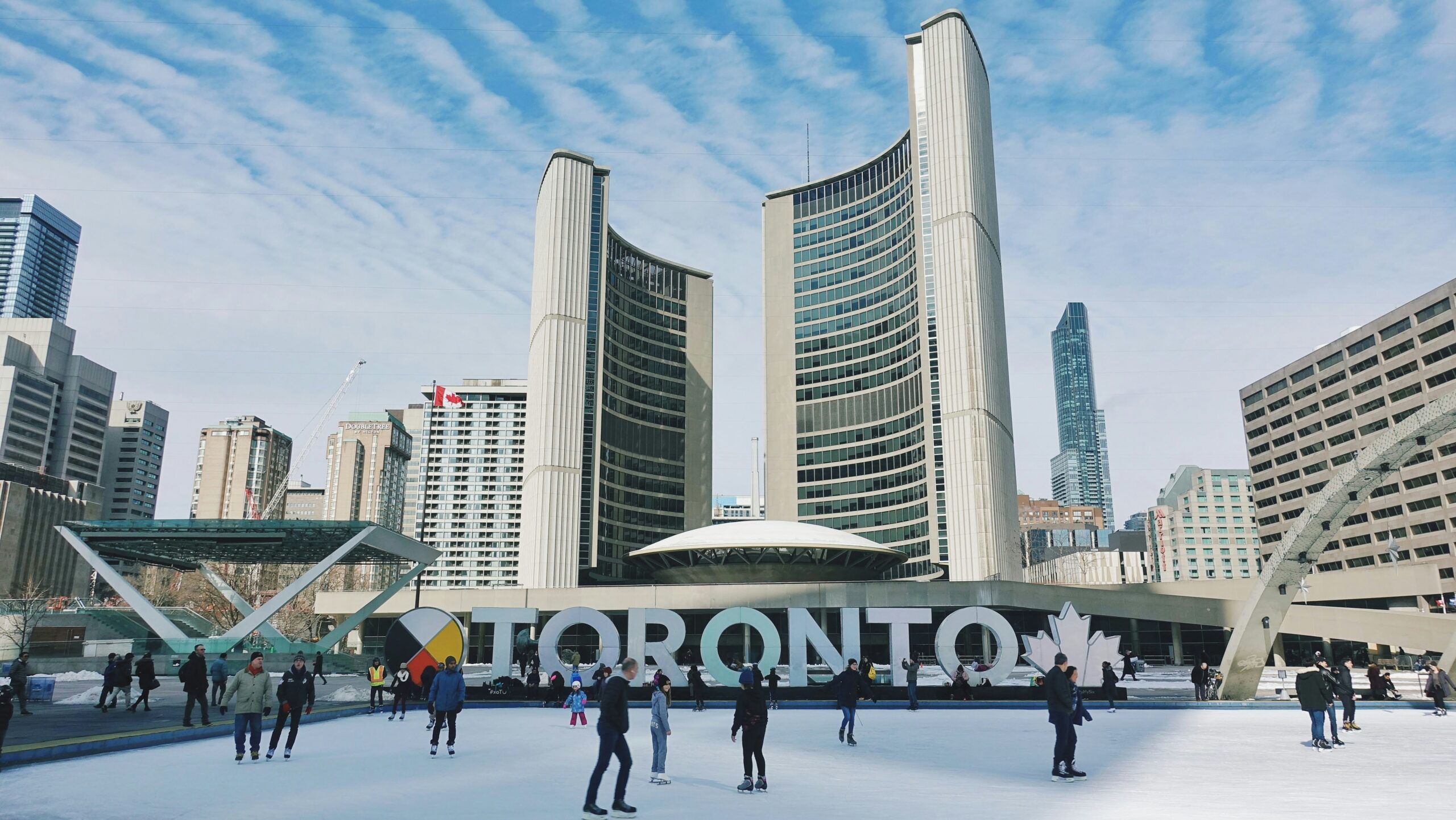
Toronto may be known as a major urban center, but its strong connection to winter recreation gives residents plenty of reasons to stay active when temperatures fall. Ski clubs play an important role in that culture by connecting people with skiing, snowboarding, cross-country programs, instruction, organized trips, and social opportunities. In many cases, these clubs make winter sports easier to access for people who might otherwise find the planning process difficult.
The role of Toronto ski clubs extends beyond arranging trips to nearby slopes. They help beginners develop confidence, support experienced skiers, encourage long-term participation, and strengthen local winter communities. Some clubs also organize fitness activities before the season, which helps members prepare physically before returning to the snow. High Park Ski Club, for example, describes itself as Toronto’s longest-standing and largest adult ski and snowboard club and offers preseason SkiFit activities alongside winter programming.
Making Winter Sports More Accessible
One of the greatest contributions of Toronto ski clubs is making winter recreation less complicated. Skiing can require transportation, equipment, lift access, lessons, and knowledge of suitable destinations. Newcomers may find these details overwhelming, especially if they have never visited a ski area before.
However, clubs often organize transportation, lessons, schedules, and group activities so members can focus more on the experience. North Toronto Ski Club, for example, runs organized alpine and Nordic trips and provides instructional opportunities for members. The club describes itself as a nonprofit organization with more than 1,300 members and offers multiple ski trips during the season.
Helping Beginners Learn With Confidence
Learning to ski or snowboard can feel intimidating without proper guidance. Therefore, instruction remains one of the most valuable services connected with organized winter sports. Beginners need to understand balance, stopping, turning, lift use, and safe movement around other skiers.
Toronto ski clubs can support that learning process by connecting members with structured lessons and experienced instructors. North Toronto Ski Club offers alpine, snowboard, and Nordic lessons, including opportunities for beginners. In addition, the City of Toronto operates Learn to Ski and Snowboard programs at Earl Bales Ski and Snowboard Centre for different ages and skill levels. Together, these programs strengthen access to winter sports across the region.
Building a Strong Winter Sports Community
Skiing may look like an individual activity, but social connections often influence whether someone continues with the sport. Ski clubs create an environment where people can meet others who share similar interests and experience winter as part of a community.
This social element matters because regular group activities give members reasons to stay involved throughout the season. Club trips, training sessions, and social gatherings can transform occasional skiing into a regular winter routine. As a result, participants may remain active for longer and become more confident exploring different ski areas.
Organizing Trips Beyond Toronto
Toronto does not offer the large mountain terrain found in western Canada, so organized travel plays an important role in the city’s ski culture. Ski clubs help members reach Ontario resorts and, in some cases, destinations elsewhere in Canada, the United States, or Europe.
North Toronto Ski Club promotes local day trips as well as weekend and longer travel experiences. These organized trips can reduce the pressure of coordinating transportation and group logistics independently. Moreover, traveling with a club allows members to explore unfamiliar destinations alongside people with similar interests.
Supporting Different Types of Winter Recreation
Modern ski clubs often support more than traditional downhill skiing. Snowboarding and cross-country skiing have become important parts of many winter communities, allowing participants to choose activities that match their interests and fitness levels.
This variety can attract more people to winter recreation. Someone who does not enjoy downhill skiing may discover cross-country skiing instead, while another participant may prefer snowboarding. By supporting multiple disciplines, Toronto ski clubs help keep winter sports inclusive and interesting for a wider range of adults.
Encouraging Fitness Before the Season
Preparation can improve comfort and performance once ski season begins. Strength, balance, coordination, and endurance all influence how well someone handles a day on the slopes. Therefore, some clubs promote fitness before winter arrives.
High Park Ski Club runs SkiFit sessions that include activities such as walking, running, Nordic pole walking, agility exercises, balance exercises, and stretching. These programs encourage members to stay active while also creating opportunities to meet other participants before winter begins.
Developing Skilled Skiers and Instructors
Ski clubs also contribute to the long-term development of winter sports by creating opportunities for experienced participants to improve their abilities. Advanced lessons, race programs, instructor development, and coaching can help motivated skiers continue progressing.
The Toronto Ski Club at Blue Mountain describes itself as a family-oriented private club with a Snow School and racing program. It also promotes instructor and race coach development through mentoring and training opportunities. Programs like these help strengthen the next generation of instructors and coaches who can introduce others to winter sports.
Keeping People Active During Winter
Cold weather can make it tempting to reduce outdoor activity, especially in a large city. Ski clubs give people a reason to leave the city environment, exercise outdoors, and experience winter in a more positive way.
Regular skiing and snowboarding require movement, coordination, and endurance. Cross-country skiing can provide an especially sustained cardiovascular workout. Just as importantly, organized club activities can make exercise feel social rather than repetitive, which may encourage stronger participation throughout the season.
Creating Lasting Interest in Winter Recreation
Toronto ski clubs help transform winter from something residents simply endure into a season filled with recreation and community. Through lessons, organized transportation, destination trips, social programs, preseason fitness, and skill development, these organizations make skiing and other winter activities easier to approach.
Their influence also reaches beyond individual members. When more people learn to ski, join trips, develop skills, and introduce friends to winter recreation, the broader winter sports community becomes stronger. In this way, Toronto ski clubs continue to play an important role in promoting active lifestyles and building enthusiasm for skiing, snowboarding, and Nordic recreation throughout the colder months.