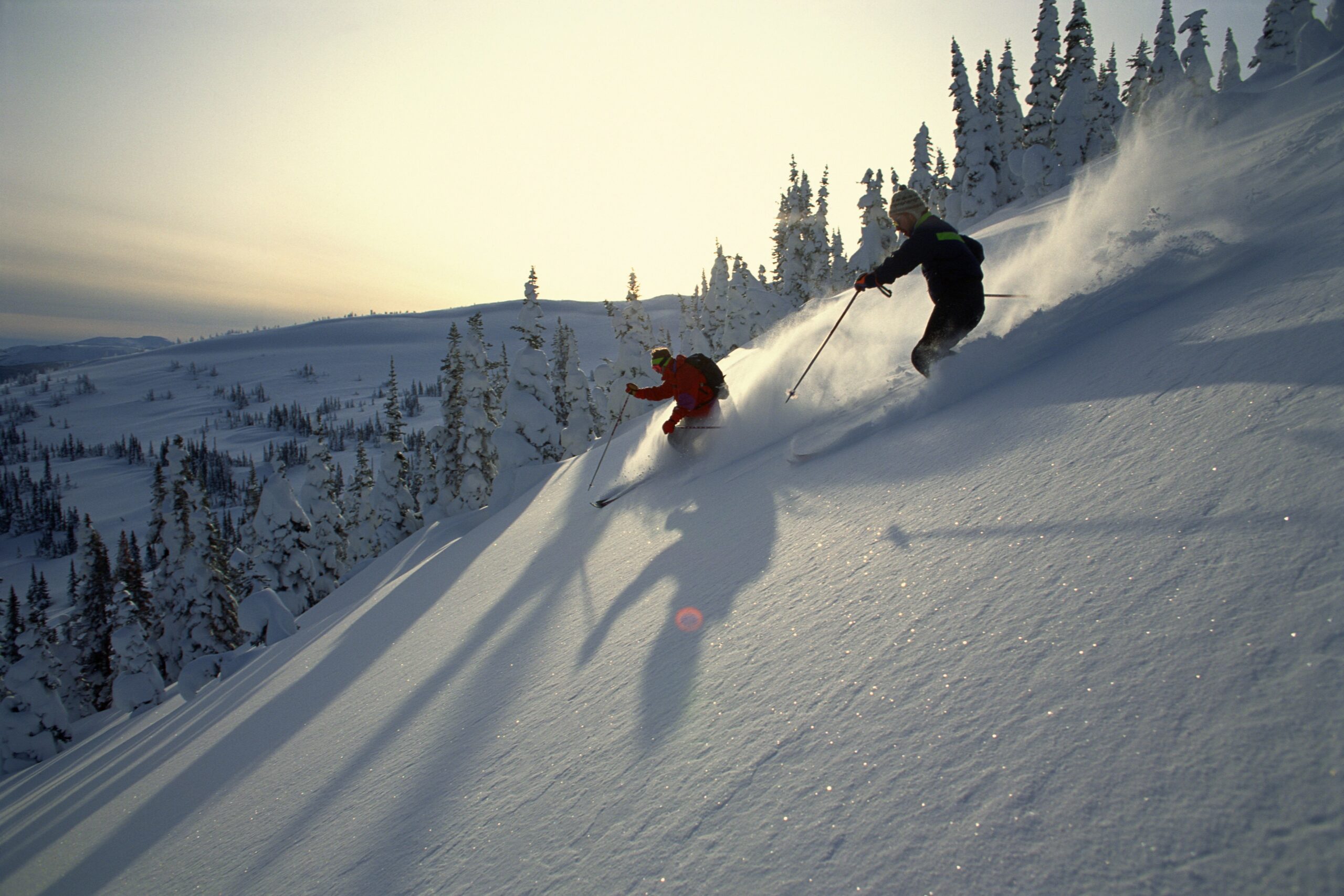
Toronto is known for its vibrant city life, but just outside the urban hustle, you’ll find the exhilarating skiing spots that attract adventure seekers from all over. Skiing in Toronto offers a unique way to connect with nature while enjoying the rush of gliding down snowy slopes. If you’re a photographer hoping to capture these thrilling moments, understanding how to take the perfect shot can transform your pictures into a narrative. Whether you’re a seasoned photographer or just getting started, learning the art of storytelling through skiing photography is essential.
The Art of Skiing Photography: Framing the Moment
When shooting skiing action in Toronto, the first step is framing the shot to capture the essence of the sport. To make your images stand out, use the skier’s movement to fill the frame, creating a sense of speed and energy. A low angle often works best. This perspective allows you to capture the skier in motion, with the snowy hills extending into the distance as a backdrop. A low-angle shot makes the skier appear more dynamic and adds depth to the image, creating a dramatic scene full of action.
In addition to focusing on the skier’s movement, including elements of the ski resort or the surrounding nature, adds context to your shots. The snow-covered trees, mountains, or the ski lift in the background can give your photos a sense of place. Find balance between the skier and their environment to tell a compelling story. Keep the scene from becoming cluttered and focus on key details, such as the skier’s pose, facial expression, or their ski equipment. These moments will breathe life into your photos, allowing viewers to feel part of the adventure.
Choosing the Right Gear for Skiing Photos in Toronto
To capture clear, high-quality shots of skiing action, having the right gear is essential. A DSLR or mirrorless camera with good autofocus capabilities is ideal for fast-paced shots. Lenses that perform well in low light and offer wide apertures are crucial, especially when shooting early in the morning or late in the day when natural light can be scarce. A telephoto lens helps capture distant skiers without losing detail. With this equipment, you can zoom in and focus on the skier’s movement, facial expressions, and style while keeping the background perfectly in focus.
When shooting in Toronto’s diverse weather conditions, durability is key. Snow and cold temperatures can harm your equipment, so consider investing in weather-sealed cameras and lenses. A sturdy tripod is also useful for wide shots or time-lapse sequences. Polarizing filters can reduce glare from the snow, making your images sharper and more vibrant. The right combination of gear allows you to be ready for any scenario, whether it’s a high-speed descent or a scenic panoramic shot.
Capturing the Right Lighting for Skiing Photos
Lighting plays a significant role in the quality of your skiing photos. Skiing during the day often means dealing with harsh sunlight reflecting off the snow, which can create unwanted glares and high contrast. To manage this, shoot early morning or late afternoon, when the light is softer, and the snow’s surface is bathed in golden hues. These golden hours create a magical atmosphere, making the skier look like they’re gliding through a dream-like landscape. Softer light helps reduce the risk of overexposure and highlights the textures of the snow and ski gear.
On cloudy or overcast days, the light is diffused, providing more even and flattering illumination for your subject. This is an excellent opportunity to capture the skier’s movements in more controlled light, showcasing the details of their technique. If shooting on a cloudy day, consider using a fast shutter speed to freeze the skier’s motion, or a slower speed for a dynamic blur effect. Cloudy skies create a moodier, more atmospheric backdrop, enhancing the action’s intensity and focusing on the skier’s experience.
Composition Techniques for Telling a Story Through Skiing Photos
A well-composed skiing photo does more than show action it tells a story. One technique for achieving this is to include elements of the skier’s environment in the shot, such as snowflakes falling or the texture of the trail they’ve left behind in the snow. Capturing these details creates a sense of motion and immersion, inviting the viewer to experience the moment. Framing the skier off-center and using the rule of thirds guides the viewer’s eye through the composition, making the image feel more natural and dynamic.
In Toronto’s ski resorts, a vibrant atmosphere surrounds you, with crowds, instructors, and fellow skiers around. These elements can enhance the narrative of your photo. Including these figures in the shot showcases the social aspect of skiing and the sense of community that often accompanies this thrilling sport. Even in the most action-packed moments, keep an eye on the story you want to tell. Each shot should reveal something about the skier’s journey, the environment, and the emotions of the moment.
Post-Processing Tips for Skiing Photography
Post-processing is where you can fine-tune your skiing shots to elevate them even further. In skiing photography, enhancing the crispness of the snow while keeping the skier as the focal point is important. Use editing tools to adjust contrast and highlights, ensuring the white snow doesn’t get washed out but still retains its brightness. Adjusting shadows can help emphasize the skier’s figure, giving the image more depth. You may also want to tweak the white balance to correct any color temperature shifts caused by the snow or lighting conditions.
Color correction and sharpening are also key parts of post-processing. If the ski resort’s colors or the skier’s equipment look muted, enhance their saturation without going overboard. This will make your photos pop and draw attention to the skier’s action. Don’t forget to crop the image if necessary to remove any distractions, allowing the skier to remain the centerpiece of the story you’re telling. Combining these editing techniques will transform your raw skiing photos into stunning visual narratives that captivate your audience.