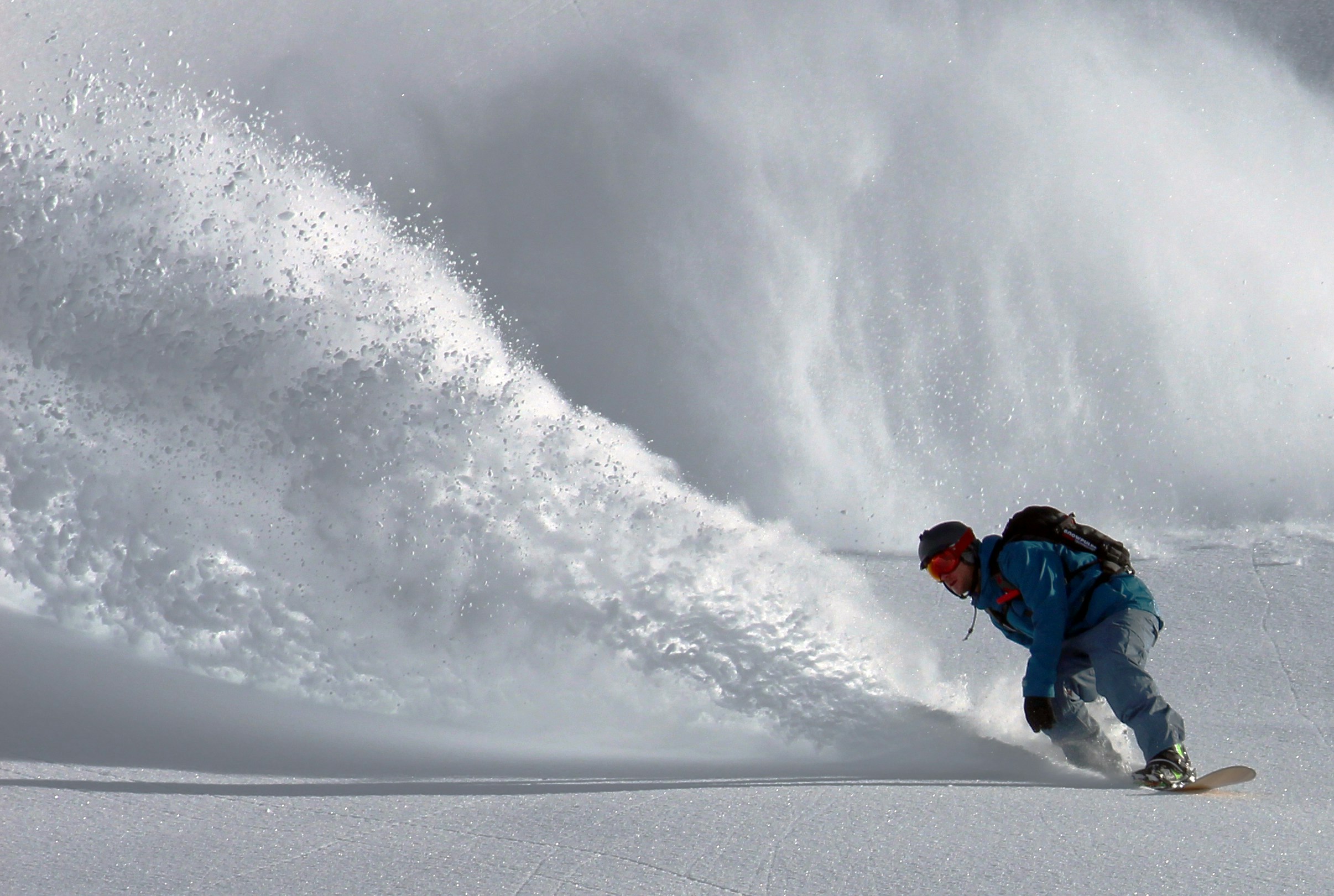
Winter transforms the landscapes around Toronto into a playground for outdoor enthusiasts and photographers alike. Snow-covered hills, crisp air, and energetic skiers create countless opportunities to capture breathtaking images. Whether you are an amateur photographer exploring winter sports photography for the first time or an experienced shooter looking to improve your skills, photographing skiing presents unique challenges and rewards.
Capturing the excitement of a skier racing down a slope requires more than simply pointing a camera and pressing the shutter. Successful winter sports photography combines technical knowledge, creative composition, and an understanding of winter lighting conditions. By mastering a few essential techniques, photographers can create dynamic images that showcase both the beauty of the season and the thrill of the sport.
Understanding Winter Light
One of the most important aspects of photographing skiing is learning how to work with winter light. Snow reflects a significant amount of sunlight, creating bright scenes that can easily confuse a camera’s automatic exposure system.
Many cameras interpret bright snow as an overly bright subject and compensate by darkening the image. This often results in gray-looking snow instead of clean, white landscapes. Adjusting exposure compensation can help maintain the natural brightness of snowy scenes while preserving important details.
Morning and late afternoon are often ideal times for winter photography. During these hours, the sunlight is softer and creates longer shadows that add depth and texture to the snow-covered terrain. The warm tones of sunrise and sunset can also create striking visual contrast against the cool colors of winter landscapes.
Choosing the Right Camera Settings
Fast-moving skiers require camera settings that can freeze action effectively. A fast shutter speed is essential when photographing athletes descending a slope at high speed. Settings such as 1/1000 of a second or faster can help capture sharp images while preserving fine details.
Continuous autofocus is another valuable feature when photographing skiing. This mode allows the camera to track moving subjects and maintain focus as they approach or move across the frame.
Burst shooting mode can significantly increase the chances of capturing the perfect moment. By taking multiple photographs in rapid succession, photographers can select the frame that best showcases movement, expression, and composition.
When lighting conditions change rapidly due to clouds or shifting weather, shooting in manual or shutter-priority mode can provide greater control over exposure and image quality.
Capturing Motion and Energy
One of the defining characteristics of successful skiing photography is the ability to convey motion. A photograph should make viewers feel the speed, excitement, and athleticism of the sport.
Positioning yourself near turns or jumps often provides opportunities to capture dramatic moments. Snow spraying from skis, airborne tricks, and sharp directional changes create visual impact and enhance the sense of action.
Panning is another technique that can produce impressive results. By following a moving skier with the camera while using a slightly slower shutter speed, the subject remains relatively sharp while the background becomes artistically blurred. This effect emphasizes movement and creates a dynamic composition.
Capturing motion requires patience and practice, but the results can transform ordinary images into memorable visual stories.
Finding the Best Angles
Composition plays a critical role in winter sports photography. Rather than photographing every scene from eye level, experiment with different perspectives to create more engaging images.
Low-angle shots can make skiers appear larger and more powerful. Photographing from below a slope often highlights both the athlete and the surrounding landscape, creating a sense of scale and drama.
High vantage points can reveal the patterns and textures of ski trails winding through snowy terrain. These elevated perspectives often provide opportunities to showcase the broader environment while maintaining focus on the skier.
Including natural elements such as trees, mountains, or snow-covered ridges can help frame the subject and add depth to the image.
Protecting Equipment in Cold Conditions
Winter weather presents unique challenges for photography equipment. Cold temperatures can affect battery performance, causing batteries to drain more quickly than usual.
Carrying spare batteries in an inside pocket helps keep them warm and extends their usefulness throughout the day. Rotating batteries as needed can prevent unexpected interruptions during a shoot.
Condensation is another common issue. Moving a camera from cold outdoor temperatures into a warm indoor environment can cause moisture to form on lenses and electronic components. Allowing equipment to adjust gradually to temperature changes can help prevent damage.
Using weather-sealed gear or protective covers provides additional protection against snow, moisture, and harsh winter conditions.
Using the Landscape to Tell a Story
While action shots are exciting, the surrounding environment also contributes to compelling winter photography. Toronto’s nearby ski destinations often feature scenic forests, rolling hills, and expansive snowy vistas that enhance visual storytelling.
Wide-angle shots can establish the setting and provide context for the action. Showing the scale of the landscape helps viewers appreciate the environment in which the sport takes place.
Photographs that include ski lifts, mountain lodges, or groups of skiers preparing for a run can add narrative elements and create a more complete story of the winter experience.
Combining action images with environmental shots often results in a more diverse and engaging photography collection.
Timing the Perfect Shot
Great skiing photographs often depend on timing. Anticipating a skier’s movement allows photographers to position themselves effectively and prepare for key moments.
Observing the slope before shooting can reveal patterns in skier behavior and identify locations where exciting action is likely to occur. Jumps, turns, and steep sections frequently produce dramatic photographic opportunities.
Patience is essential. Waiting for the right combination of movement, lighting, and composition often leads to stronger images than taking photographs continuously without a clear objective.
Experienced photographers understand that preparation and anticipation are just as important as technical camera skills.
Editing Winter Sports Photographs
Post-processing can enhance winter sports images while preserving their natural appearance. Adjusting exposure, contrast, and white balance helps ensure that snow appears clean and realistic.
Increasing clarity and sharpness can highlight details in snow textures, ski equipment, and athlete expressions. Careful color correction helps maintain the crisp atmosphere associated with winter landscapes.
Cropping can improve composition by removing distractions and directing attention toward the subject. However, maintaining a balanced image is important to preserve the sense of place and scale.
Effective editing should complement the original photograph rather than completely transform it.
Creating Memorable Winter Sports Images
The most successful skiing photographs combine technical precision with emotional impact. They capture not only the action but also the feeling of freedom, adventure, and excitement that defines the winter sports experience.
Photographers who focus on storytelling often produce the most memorable results. Expressions of concentration, moments of triumph, and interactions between skiers and the environment add authenticity to every image.
By paying attention to light, composition, timing, and environmental details, photographers can create images that resonate with viewers long after the snow has melted.
Photographing skiing around Toronto offers a rewarding opportunity to combine landscape photography with action sports imagery. The unique beauty of winter, combined with the excitement of skiing, creates endless possibilities for creative expression. By understanding winter lighting, mastering camera settings, experimenting with composition, and preparing for cold-weather conditions, photographers can capture stunning images that showcase both athletic achievement and seasonal beauty. With practice and patience, every snowy slope can become the setting for unforgettable winter photographs.