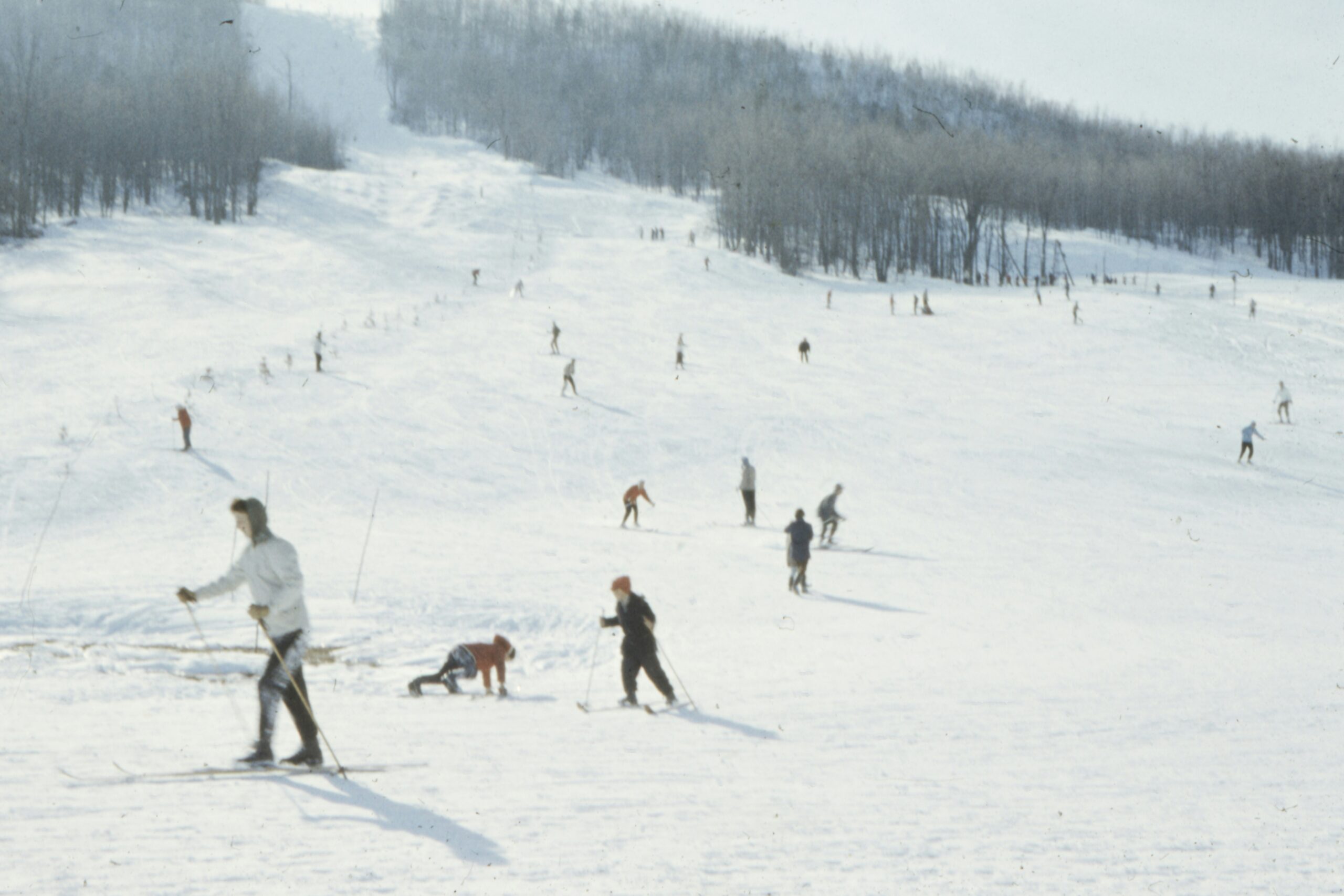
Winter tourism supports many jobs across Ontario each year. Families travel to nearby hills for skiing and snowboarding fun. In recent years, weather patterns have become less stable. Winters sometimes begin later than expected. Some seasons also end much earlier than before. Warm spells and rainfall now interrupt peak snow periods. Because of these changes, Toronto’s ski resorts must adjust quickly to survive. Resort owners now study weather data more carefully to protect their businesses.
Shorter Winter Seasons and Unstable Snow Conditions
Warmer winters have reduced the number of cold days each season. Natural snowfall no longer follows a steady pattern. Some weeks bring heavy snow, but warm rain soon follows. This cycle melts snow and creates icy surfaces on trails. Icy slopes can increase safety risks for guests. Resorts must close certain runs when conditions become unsafe. Each closure reduces ticket sales and visitor numbers. Ski resorts in Toronto now prepare for these disruptions every year.
Temperature swings also affect snow quality. Wet snow becomes heavy and difficult to manage. A thin snow cover exposes the grass and soil beneath. Staff must work longer hours to repair trails. Extra grooming machines help smooth rough areas. However, grooming costs more money during unstable weather. Resorts must balance safety with financial limits. Careful planning helps them stay open as long as possible.
Using Modern Snowmaking Systems for Reliable Coverage
Artificial snowmaking has become a major solution for climate challenges. Modern snow guns produce snow more quickly. These systems work even when temperatures are slightly above freezing. Resorts invest large funds in upgrading older equipment. New machines use less energy and water than past models. Efficient systems reduce environmental impact and operating costs. Ski resorts in Toronto depend on this technology for steady snow coverage. Reliable snow allows them to extend their ski season.
Advanced sensors now control many snowmaking operations. Sensors measure air temperature and humidity in real time. When conditions are right, machines activate automatically. This process saves labor and improves timing. Water reservoirs store supplies during warmer months. These ponds support significant snowfall during winter. Staff monitors snow depth daily across all trails. Consistent snow coverage keeps visitors satisfied and safe.
Expanding Outdoor Activities Beyond Winter Months
Many resorts now operate year-round. They offer mountain biking and hiking during spring and summer. Zip lines and adventure parks attract families in warmer weather. Festivals and concerts also bring visitors to the hills. This strategy reduces dependence on snow alone. If winter income drops, summer programs provide support. Ski resorts in Toronto build diverse activity plans for stability. This approach spreads risk across all seasons.
Wellness retreats and corporate events also fill the calendar. Conference spaces host business meetings and training sessions. Restaurants operate year-round to serve local guests. Outdoor education programs invite schools for nature trips. These activities create steady employment for staff. Local communities benefit from extended tourism. Diversification strengthens long-term business health.
Focusing on Sustainability and Environmental Care
Climate change has pushed resorts to lower their environmental impact. Many lodges now use energy-saving lighting. Solar panels support power needs in some locations. Water recycling systems improve snowmaking efficiency. Waste reduction programs encourage guests to recycle properly. Resorts also limit plastic use in food services. These efforts support both cost savings and environmental health.
Land management practices protect soil and trees on slopes. Tree planting programs restore damaged areas. Healthy forests help trap snow during the winter months. Electric vehicle charging stations appear in parking areas. Guests notice these eco-friendly changes during visits. Many travelers prefer businesses that show responsibility. Resorts share sustainability updates on their websites. Responsible actions build trust with visitors.
Building Strong Guest Relationships in Changing Times
Clear communication helps resorts manage unpredictable weather. Websites display daily trail updates and weather reports. Social media pages share snow forecasts and special offers. Flexible booking policies support guests during warm spells. Visitors feel more secure when refund options are clear—Ski resorts in Toronto train staff to answer climate-related questions. Helpful service improves overall guest satisfaction.
Special events keep excitement high during shorter winters. Night skiing sessions attract local visitors after work. Winter festivals celebrate snow culture with music and food. Loyalty programs reward returning customers. Community partnerships strengthen support from nearby towns. Resorts also educate guests about climate adaptation strategies in winter tourism through events and workshops. This shared understanding helps build lasting relationships and long-term resilience.