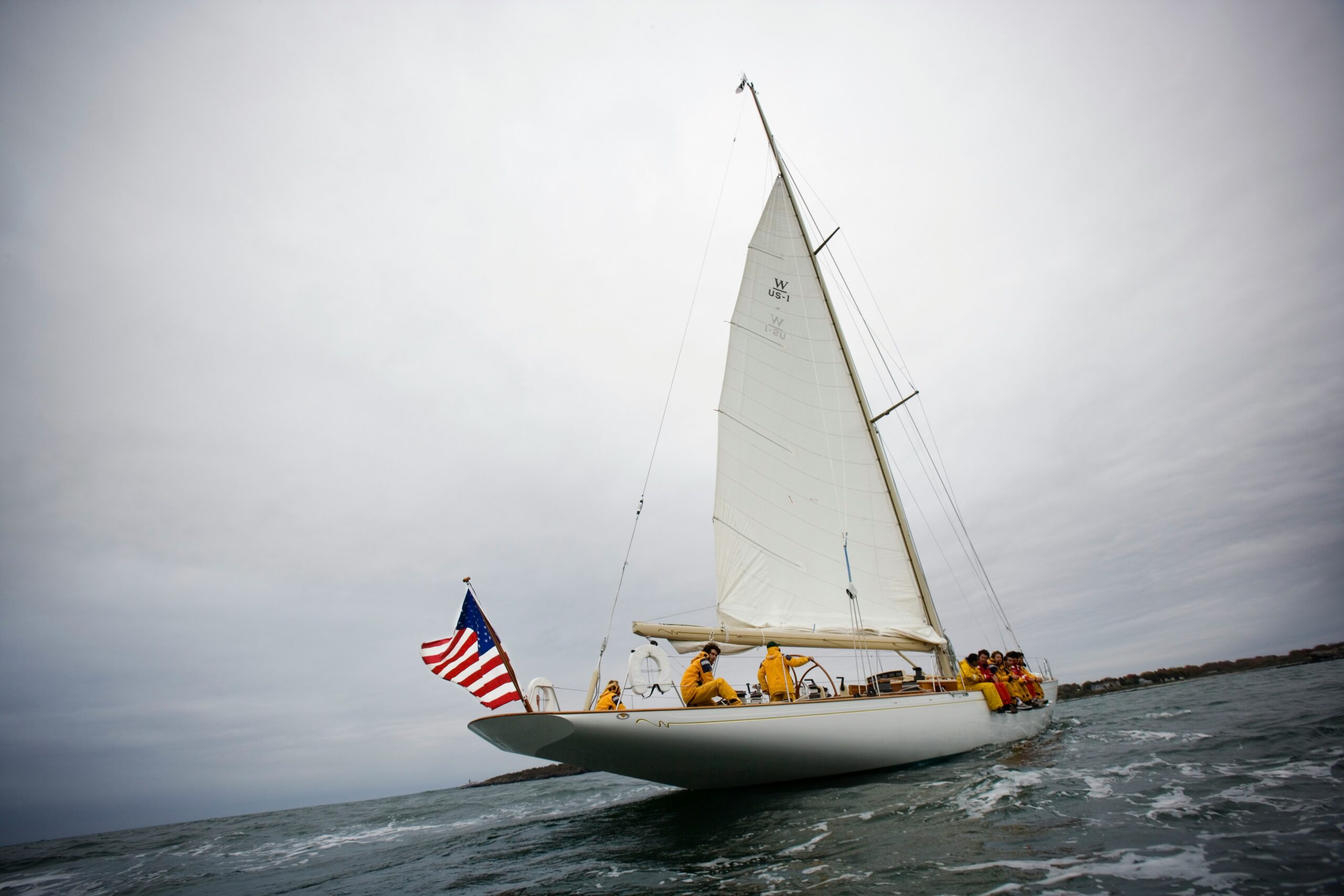
Toronto’s sailing industry generates a wide economic ripple effect, supporting both direct and indirect business activities. Yacht clubs, sailing schools, boat repair shops, and marina services all contribute millions of dollars to the city’s economy every year. Moreover, as more residents and visitors take lessons or join sailing programs, demand steadily increases for instructors, maintenance crews, and seasonal workers. This ongoing growth helps sustain local employment while encouraging investments in waterfront facilities.
Additionally, the sailing sector supports complementary industries that rely on steady visitor activity. For instance, restaurants, retail stores, and hotels near the waterfront consistently benefit from sailors and spectators who spend money before and after sailing events. As a result, Toronto’s waterfront economy remains vibrant throughout the summer months, and this activity encourages city planners and private investors to continue improving the shoreline experience.
How Sailing Boosts Tourism
Sailing significantly enhances Toronto’s tourism appeal by offering both recreational and spectator experiences. Tourists who come to the city often look for unique ways to enjoy Lake Ontario, and sailing provides a memorable connection to the water. Whether they book a harbor cruise, charter a sailboat, or participate in beginner lessons, visitors gain a deeper appreciation for Toronto’s coastal environment. Consequently, this helps strengthen the city’s image as a world-class waterfront destination.
In addition, major sailing events draw many regional, national, and even international tourists to Toronto. Regattas, racing championships, and summer festivals bring large crowds and generate substantial revenue for local businesses. As these events grow in popularity, they create positive publicity for the city, making Toronto a recurring choice for sports tourism. Furthermore, the tourism boost encourages continued investment in transportation, accommodations, and attractions that benefit both visitors and residents.
Employment Opportunities on and off the Water
Sailing creates employment opportunities across multiple sectors, contributing to Toronto’s overall economic health. On the water, positions such as instructors, captains, dock managers, and safety personnel are in high demand throughout the sailing season. These roles require specialized skills, which in turn drive professional training and certification programs in the city. As more people pursue careers in maritime services, Toronto strengthens its position as a hub for recreational boating expertise.
Off the water, the industry also supports a vast network of related jobs. From boat mechanics and rigging specialists to hospitality workers and event coordinators, many professionals rely on sailing-related activities for consistent work. Moreover, as sailing events expand, they require marketing teams, logistics planners, and volunteer managers to support their operations. This interconnected employment network demonstrates how one recreational industry can stimulate multiple layers of economic activity.
Sailing Events and Their Economic Influence
Large-scale sailing events generate immediate economic benefits and often leave a long-term positive impact on Toronto. Events such as the Lake Ontario racing series or charity regattas bring hundreds of participants and spectators to the waterfront. Consequently, hotels, restaurants, transportation services, and retail shops experience a noticeable increase in business. This surge in activity often encourages event organizers to return in future years, creating a dependable source of tourism income.
Furthermore, sailing events contribute to Toronto’s cultural identity by showcasing its maritime heritage. When spectators gather at waterfront parks or marinas, they help create a festive atmosphere that enhances community pride. As the city continues to host more sailing events, it positions itself as a key player in North America’s competitive boating scene. This reputation not only attracts sponsors but also strengthens partnerships between sports organizations and local businesses.
The Role of Waterfront Development
Waterfront development plays a significant role in supporting Toronto’s sailing industry, and it also adds value to the city’s long-term economic strategy. Investments in marinas, docks, and public facilities create an inviting environment for residents and tourists alike. As infrastructure improves, more people become interested in sailing, which leads to higher participation rates and increased spending in the local economy. These improvements also raise property values and encourage private investors to build new commercial and residential projects.
Moreover, enhanced waterfront spaces make it easier to host significant events and attract new visitors. When parks, boardwalks, and recreation centers are well-maintained, they complement the experience of sailing and strengthen the city’s tourism appeal. As Toronto continues developing its shoreline, it builds a stronger connection between water-based activities and urban life. This integrated approach helps create a sustainable economic model that benefits multiple sectors.
Environmental Appeal as a Tourism Driver
Sailing also promotes environmental appreciation, which contributes to Toronto’s appeal among eco-conscious travelers. Because sailing relies on wind power, it offers a low-impact way to explore Lake Ontario. This sustainable aspect attracts visitors who prefer outdoor activities that minimize carbon emissions. As more tourists seek environmentally friendly experiences, sailing naturally becomes a valuable asset in the city’s tourism strategy.
Beyond tourism, the environmental awareness that sailing fosters encourages local stewardship of Toronto’s waters. Sailing clubs and organizations often promote clean-lake initiatives, shoreline conservation, and wildlife protection. These efforts benefit the environment while also creating a more appealing setting for future visitors. As the city continues to highlight sustainability in its tourism messaging, sailing remains an excellent recreational activity that aligns with environmental values.
Sailing Education and Community Engagement
Sailing education programs play an essential role in strengthening Toronto’s social and economic landscape. Sailing schools that offer youth programs, adult lessons, and community workshops help make the sport accessible to a broader audience. Because these programs introduce newcomers to boating, they fuel long-term growth in participation. Over time, this steady interest supports local businesses and clubs while promoting lifelong recreational habits.
Additionally, community engagement through sailing fosters a sense of pride and unity. Many nonprofits and community groups use sailing programs to teach teamwork, confidence, and leadership skills. As these initiatives grow, they encourage families and volunteers to participate in waterfront activities, which increases overall tourism traffic. These community-based programs highlight sailing’s ability to benefit both individuals and the broader city landscape.
A Strong Future for Toronto’s Sailing Economy
Toronto’s sailing industry continues to evolve, and its economic and tourism contributions are expected to grow. With ongoing investments in waterfront development, sailing infrastructure, and event promotion, the city is well-positioned to attract more visitors and participants. As awareness of the sport increases, more businesses will benefit from expanded consumer spending and seasonal activity. This positive momentum reinforces Toronto’s status as a vibrant and competitive waterfront city.
Looking ahead, sailing will remain an integral part of Toronto’s cultural and economic identity. As residents, tourists, and local businesses continue to engage with the sport, new opportunities will emerge across multiple sectors. Whether through tourism, employment, environmental initiatives, or community programs, sailing will continue fueling Toronto’s growth. Ultimately, the city’s strong connection to Lake Ontario ensures that sailing will remain an influential contributor to its long-term success.